

The bedroom is the most intimate space in the home and the place where you spend approximately a third of your life. According to Feng Shui, while you sleep you are in a receptive state (Yin energy), which makes you especially vulnerable to the energy currents of your environment.
Applying Feng Shui to the bedroom goes beyond simply rearranging furniture for aesthetic reasons. It's about designing a sanctuary that facilitates physical, mental, and emotional regeneration. It's important to visualize in the floor plan that there's no bathroom or fake plumbing on the wall behind the headboard.
Pay attention to this 10-step guide
1. The position of the bed: The bed is the central element of the bedroom and determines the quality of sleep. Its placement establishes whether your mind feels safe or in a state of constant subconscious alertness.
Position the bed so that you can see the front door from it, but without facing it directly.
2. The bed must have a headboard: This represents stability and support in life. Position the headboard against a sturdy wall, and avoid placing it under a window.
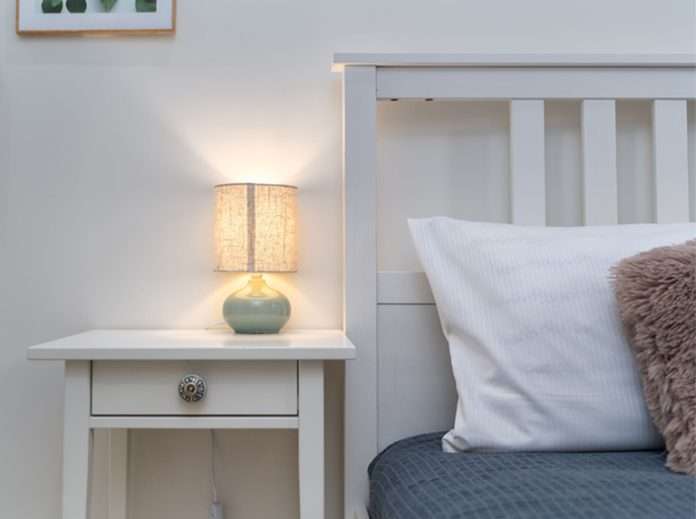
3. Space and symmetry: Leave free space on both sides of the bed to allow energy to flow evenly, especially if you're in a relationship or looking to attract one. Add two similar nightstands to encourage balance.
4. Avoid placing mirrors above and in front of the bed: Mirrors reflect constant energy and can cause restlessness or insomnia. If you have a mirror in your bedroom, place it inside the closet or on a wall where you won't see your reflection while lying down.
5. Televisions, computers and telephones: They generate electromagnetic fields that interfere with deep sleep. If you must have them in the bedroom, keep them unplugged or covered at night.
6. Never store or keep: Objects, shoes, or old boxes under the bed block the flow of air and energy, often resulting in intrusive thoughts and light sleep. Keep that space completely clear.
7. The colors of your room: They directly influence your nervous system. For a restful environment, the key is to prioritize soft, neutral tones, such as beige, sand, soft terracotta, or pastels (light blue, mint green). Avoid intense reds or bright yellows.
8. Uses for decoration and personal use: fabrics made of natural fibers such as cotton, linen or silk that allow breathability and transmit softness to the touch.
9. Natural lighting is vital: Artificial lighting should be warm and dimmable. Avoid white ceiling lights directly above the bed.
10. Aromas and ventilation: They combine into an invisible energy: Stagnant air accumulates heavy energy, so it's vital to open the windows for at least 15 minutes each morning to refresh the air. To enhance relaxation before bed, you can use aromatherapy with fragrances like lavender, which reduces anxiety and prepares the body for sleep, or sandalwood, which provides a sense of grounding and serenity.
Transforming your bedroom into a sanctuary of rest is a gradual process. Start by clearing the space under your bed or adjusting the position of the headboard, and notice how the quality of your sleep improves night after night.
The secret to creating a peaceful home using Systemic Feng Shui (wind-water-consciousness) lies in maintaining harmony and balance. I offer solutions tailored to all needs and invite you to contact me anytime. Until next time, Ros Feng Shui Shui. @ ros.fengshui @
HOLISTIC AGENDA: FREE 21-DAY CHALLENGE ON SACRED CODES AND SYSTEMIC FENG SHUI VIA WHATSAPP FROM OCTOBER 1-21, 2026 • FLYING STARS OF THE FIRE HORSE CONSULTATIONS. IN-PERSON AND ONLINE • CHRISTMAS AND FENG SHUI WORKSHOP IN-PERSON NOVEMBER 8 AND ONLINE NOVEMBER 1, 2026
Feng Shui studies, consultations, advice, family and business constellation therapy, individual and group sessions • Systemic Tarot • Your Kua Number Step by Step: An online workshop for total well-being (in-person and online)


