Following the death of the Galician dictator Francisco Franco, Spain began its transition to democracy. The country's structural renewal transcended the political sphere and reached the cultural realm.
In film, he lived through the period known as "the unveiling," which was full of nudity and themes previously censored due to the president's ultraconservative religious beliefs.
In music, a phenomenon called "la movida madrileña" occurred, with colorful characters, indescribable clothing, surreal lyrics and nocturnal excesses that were the response to the freedom achieved, after almost 40 years of oppression.
Pedro Almodóvar, Rossy de Palma and Alaska, for example, reigned on the peninsular scene, along with bands like Radio Futura, Gabinete Caligari, Nacha Pop, Los Secretos, Kaka de Luxe and Hombres G, whose fame spread throughout Latin America.
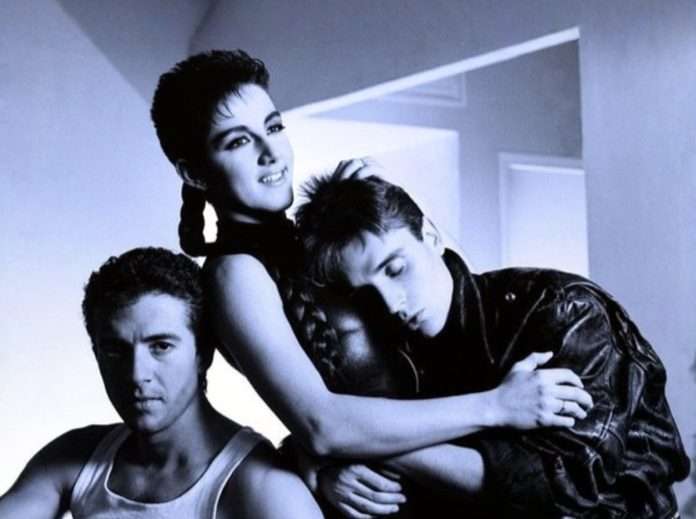
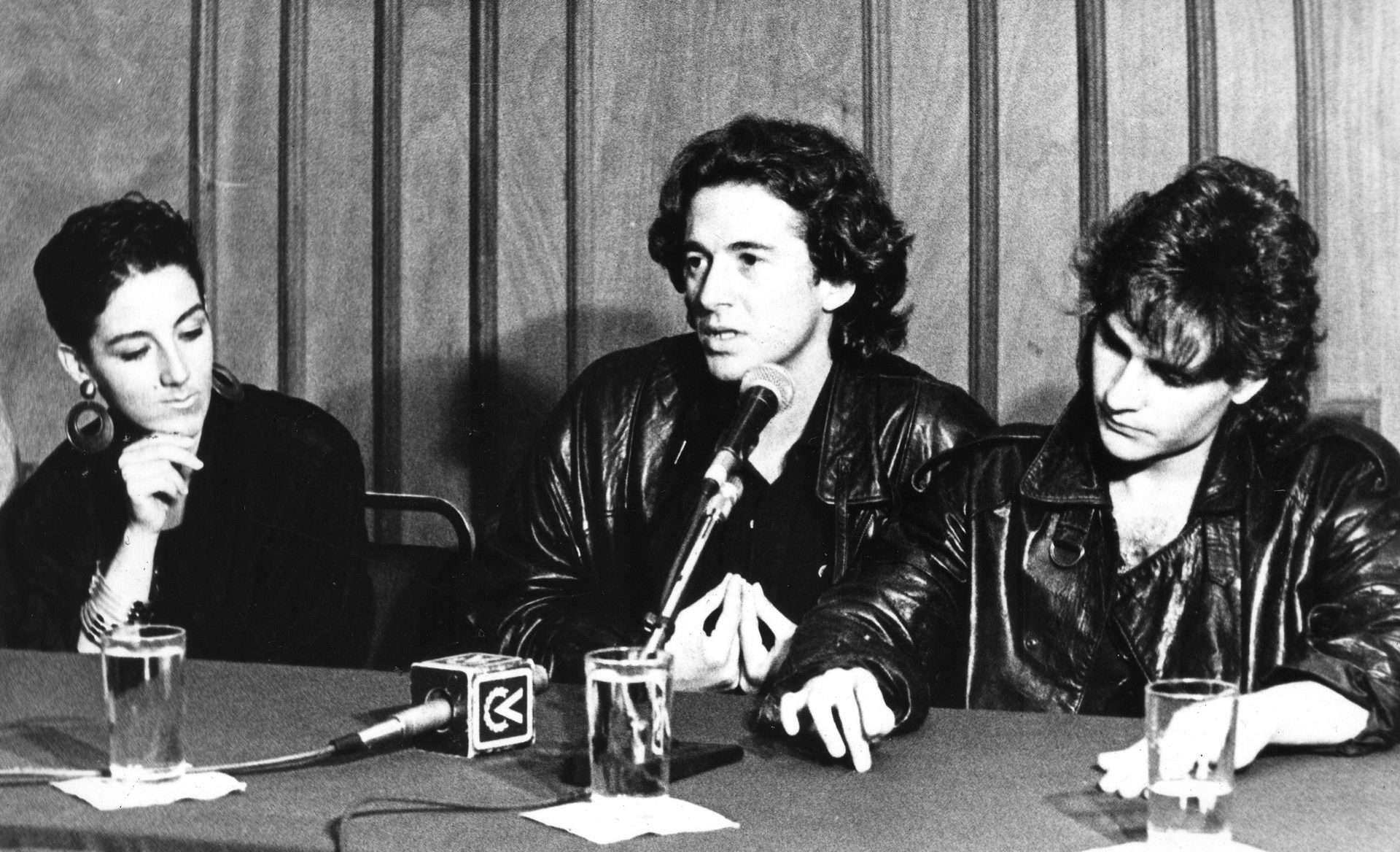
In this context, Mecano occupies a special place. The trio formed by Ana Torroja and brothers José María and Nacho Cano became a true phenomenon, with hit after hit on the radio and millions of copies sold, both in major European markets and in Latin America. They were formed in 1981, although their international breakthrough came a few years later. Mecano
More than one lap
Mecano's calling card in Venezuela was This cemetery is not seriouswhich attracted attention for its lyrics. The chorus: “And we dead people here have a great time / among colorful flowers / and on Fridays and such, if there's no plan in the grave / we get dressed and go out / for a stroll / without going through the door, that's for sure / because the dead are where they belong here / and heaven can wait for me.”
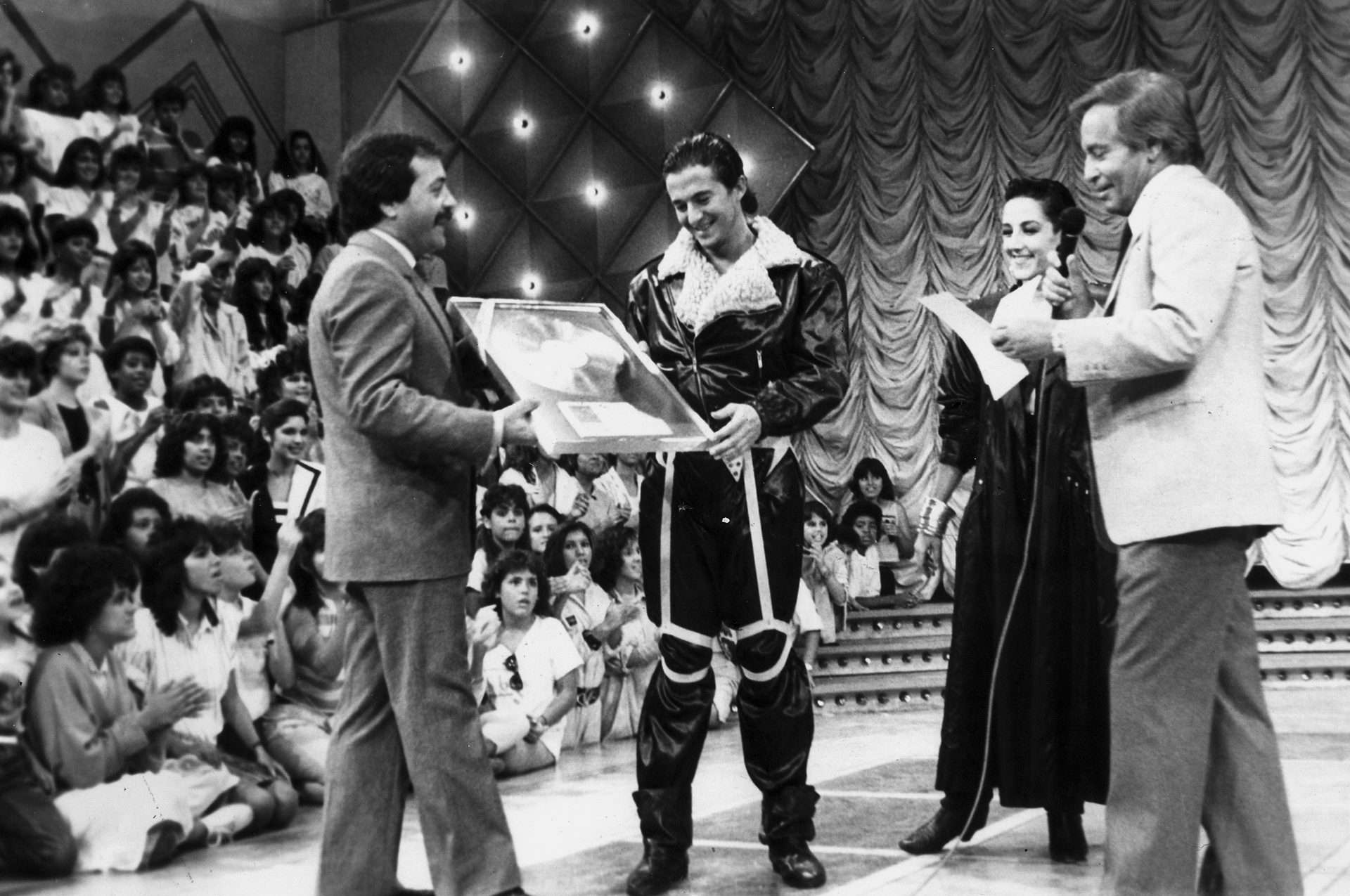
Having generated anticipation through radio broadcasts, the group's first visit took place on October 7, 1986. In addition to being introduced by Amador Bendayán... sensational saturdayHe gave a concert at the Mata de Coco studio for about 500 people.
Big Show took a gamble that paid off handsomely. The following year, in the middle of their international tour, the Spanish trio returned to Mata de Coco and performed at the Poliedro de Caracas, the Luis Aparicio Stadium in Maracaibo, the Valencia Shooting Range, and the La Maestranza bullring in Maracay. They stayed in the country for eight days.
In the first days of 1989, another visit was arranged. This time to promote their fifth studio album: Sunday restThe material included a song considered among the most beautiful dedicated to lesbian relationships: Woman against woman.
The last encounter with the Venezuelan public was in February 1992, as part of the Tour Aidalaiwith two dates at the Poliedro and one at the Plaza Monumental in Maracaibo. Unbeknownst to them, it marked their final farewell. In September, they separated.
Goodbye
Today I can not get up It was Mecano's first single, released on June 22, 1981, in Spain. It was followed by: Lost in my room, I crashed a party y Makeup.
In the early days of the trio, the songs written by Nacho, the youngest of the Cano brothers, were successful, while José María had to wait until CBS Records took a chance on him. Hawaii-BombayThen he tasted success with Air, Between the ground and the sky, It's so hard to forget you, cross of knives e Child of the moon.
The origin of the disagreements between the brothers was never entirely clear. They have never agreed to a reunion. Their last concert was on September 29, 1992, in Valladolid.