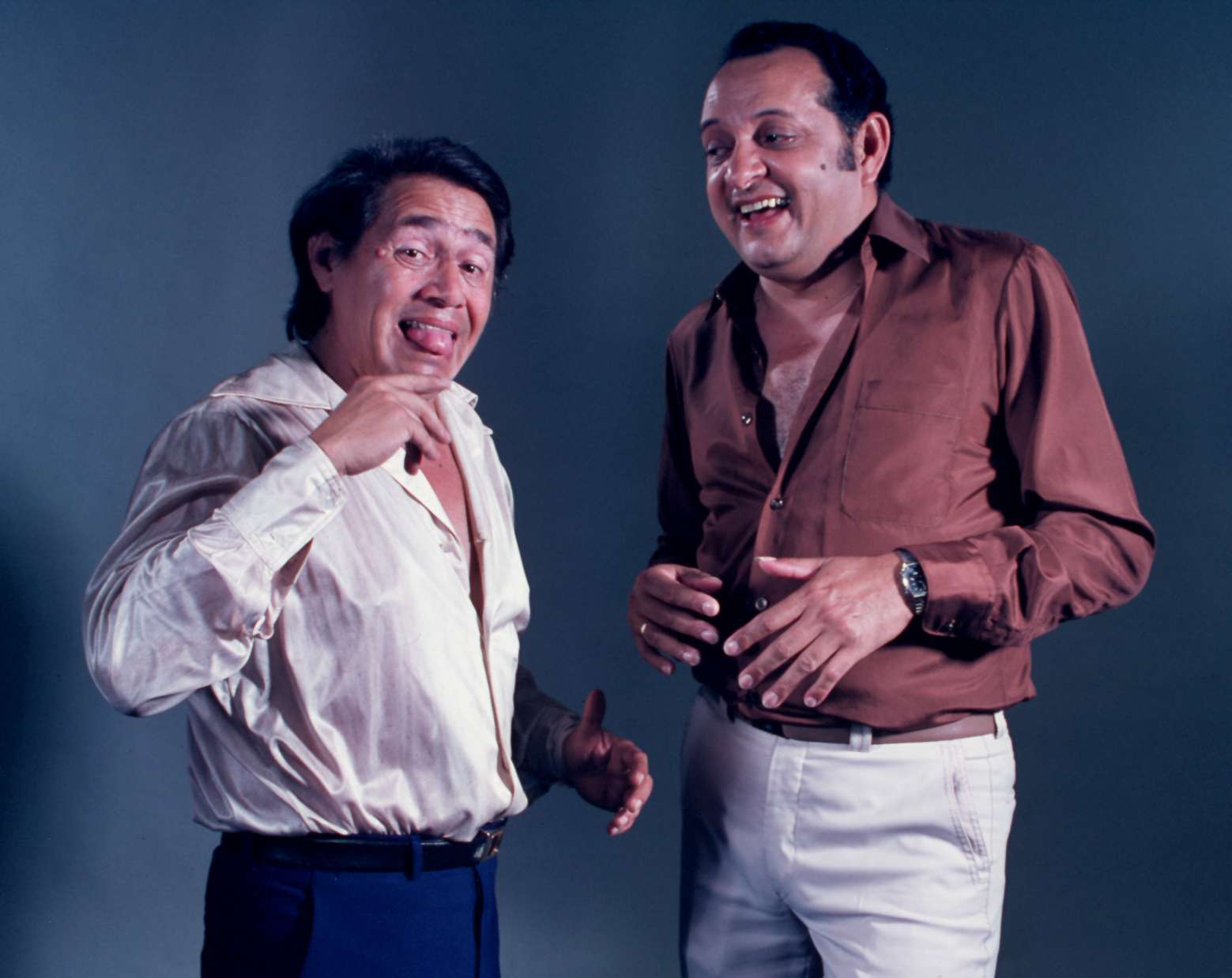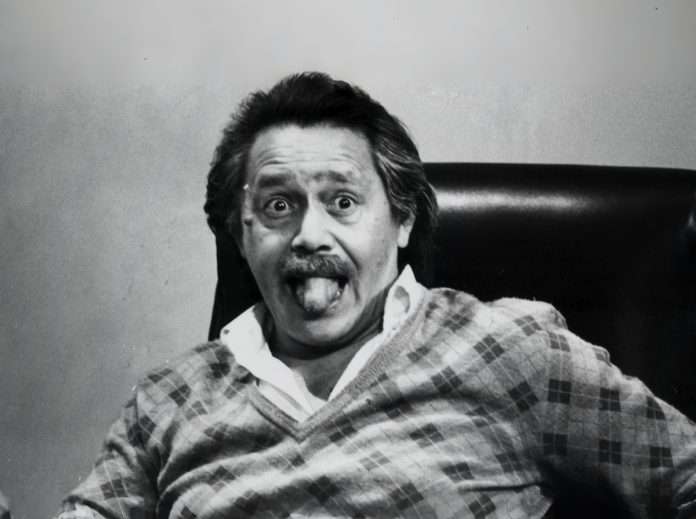
In one of the many interviews he gave throughout his artistic career, he uttered these words: “Despite myself, I am number one.” And he didn't say it with arrogance or false modesty, but rather in accordance with the reality determined by the ratings, because, in the 80s, he became the highest-paid artist on Dominican television.
He, Joselo, was the undisputed king of humor, with an enviable ability to create catchy expressions that became part of the everyday dialogue of Venezuelans. From “Eeeuuu” to “Ponte a creer,” including “Pa' mí que tú estás loco” or “¿Esos son juegos? Esos no son juegos,” they jumped from the small screen to the streets, becoming hallmarks of identity.
While completing different professional cycles at Radio Caracas Televisión, Venevisión and Venezolana de Televisión, he was also present in press headlines, due to his romantic escapades, his fondness for horses, his political sympathies and some other episodes that took him to the pages of events.
Joselo constitutes a special chapter in the history of national television that is well worth remembering, on the 90th anniversary of his birth, on September 27.
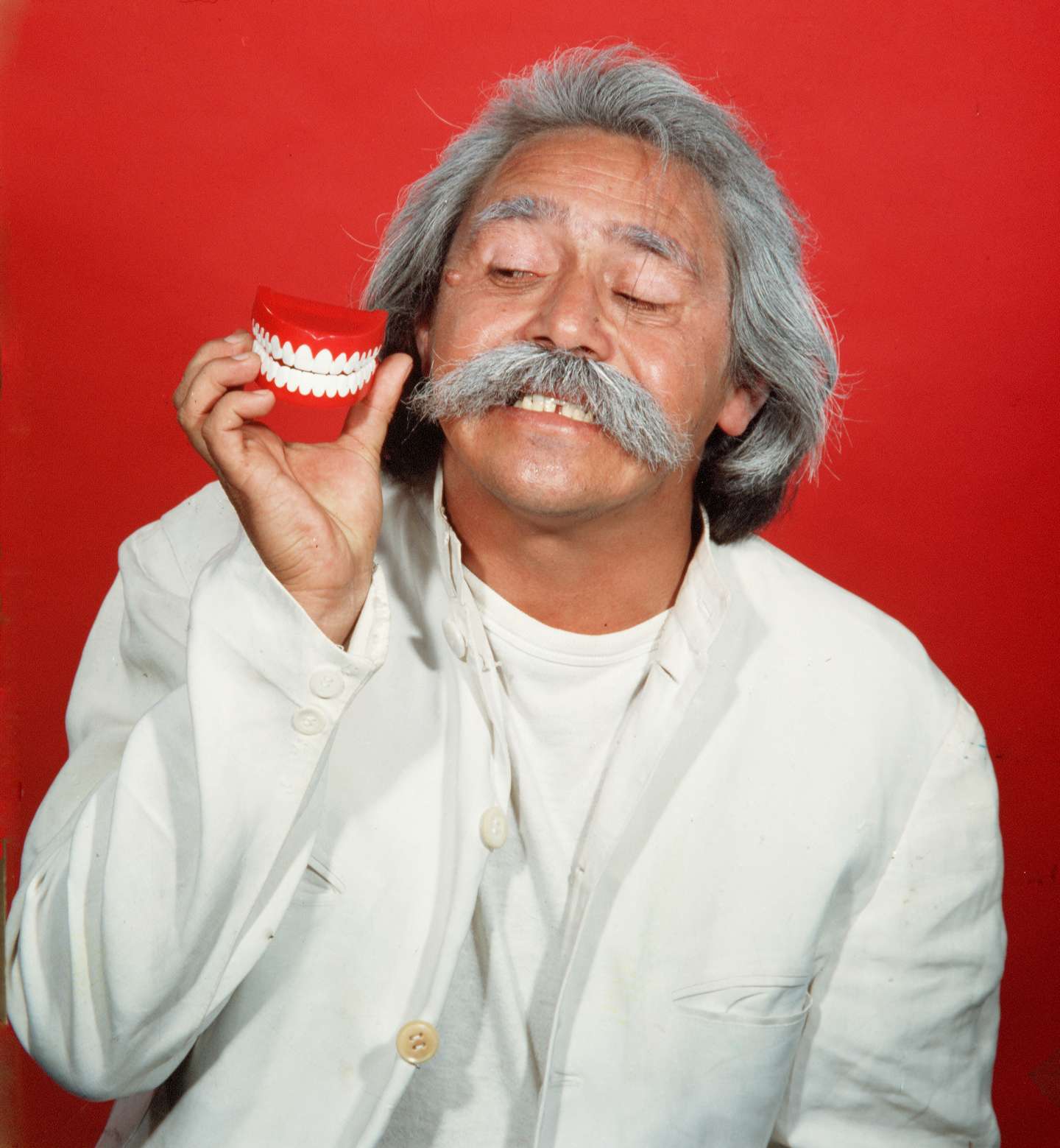
Rochela in progress
He began his career like other comedians. He participated in the Good Humor Workshop, organized at the Faculty of Architecture of the UCV (Central University of Venezuela), where he met Cayito Aponte, José Cadavieco, and Pepeto López. The group was signed by the Argentine producer Tito Martínez del Box for a segment on "The Víctor Saume Show," which, thanks to its success, became its own program. Radio Rochela.
Joselo stood out for his talent, and in 1964, executives offered him an independent project, which he undertook with screenwriter Menéndez Bardón. During his time on television, he also shared the screen with his brother Simón Díaz, Carlos Cerutti, Manuel Graterol, and Gonzalo Valenotti, popularizing various characters, his favorite being "The Beggar."
His newfound fame led him to film, both in Mexico and Venezuela. He also recorded the annual album "Las gaitas de las locas," which achieved significant sales during the Christmas season, thanks to producer and composer Hugo Blanco. He began this venture with Simón and later continued as a solo artist.
Whenever he had the chance, he insisted that one of his greatest strengths was his keen ear for detecting expressions, uttered by others, that had the necessary punch to resonate with viewers. His radar didn't discriminate. It could be a politician or a worker on his farm; it didn't matter. The basic requirement was wit, which, for many, made him a genius.
Bad year
José Manuel and Manuel José Díaz Márquez were born on September 27, 1936, in Barbacoas, Aragua state. The former became a public figure. He studied at the Fermín Toro high school. He was romantically linked to Herminia Martínez, María Antonieta Campoli, and María Eugenia Domínguez.
He married twice: first to former Miss Zenaida Hurtada, the mother of his first daughter; and then to actress Mary Soliani. Between these two marriages, he had his second daughter with actress Shera Ramos.
In 1983, he was acquitted of charges of seducing a minor, drug trafficking, and writing a bad check. He supported Rafael Caldera, Carlos Andrés Pérez, and Hugo Chávez. He died on January 5, 2013.